

 Microsoft AI
19 min

Across Canada, organizations running Microsoft Dynamics GP, Dynamics NAV, or Dynamics AX are reaching an important crossroads.
Who Should Consider Dynamics 365 Finance?
This guide is designed for Canadian organizations evaluating whether to modernize an existing ERP environment or migrate financial operations to Microsoft Dynamics 365 Finance. It is particularly relevant for finance, IT, and operations leaders dealing with disconnected systems, complex reporting, multi-entity operations, or legacy ERP limitations.
For years, these ERP platforms have supported finance, operations, inventory management, manufacturing, procurement, and reporting. However, business requirements have evolved significantly.
Organizations today need:
- Real-time visibility across operations
- Cloud-based scalability
- Modern analytics
- Supply chain resilience
- Mobile accessibility
- Automation capabilities
- AI readiness
- Improved user experiences
Many legacy ERP environments struggle to support these evolving requirements efficiently.
As a result, Canadian organizations are increasingly evaluating Dynamics 365 Finance & Supply Chain Management (F&SCM) as part of their broader ERP Modernization Canada initiatives.
This guide explains what organizations should know when planning a migration from Dynamics GP, Dynamics NAV, or Dynamics AX to Dynamics 365 F&SCM, including common challenges, migration approaches, expected business benefits, and key success factors.
Why Organizations Are Migrating to Dynamics 365 F&SCM
Many businesses initially evaluate migration because of technical requirements.
However, the strongest business cases are usually driven by operational objectives.
Leadership teams are asking:
- How can we improve visibility?
- How can we increase operational efficiency?
- How can we support future growth?
- How do we prepare for AI and automation?
- How can we reduce reliance on manual processes?
A migration to Dynamics 365 F&SCM is frequently about enabling business transformation rather than simply replacing software.
Organizations increasingly want a unified platform that connects:
- Finance
- Procurement
- Inventory
- Manufacturing
- Supply chain management
- Warehouse operations
- Project operations
- Reporting and analytics
within a modern cloud environment.
Understanding the Dynamics ERP Evolution
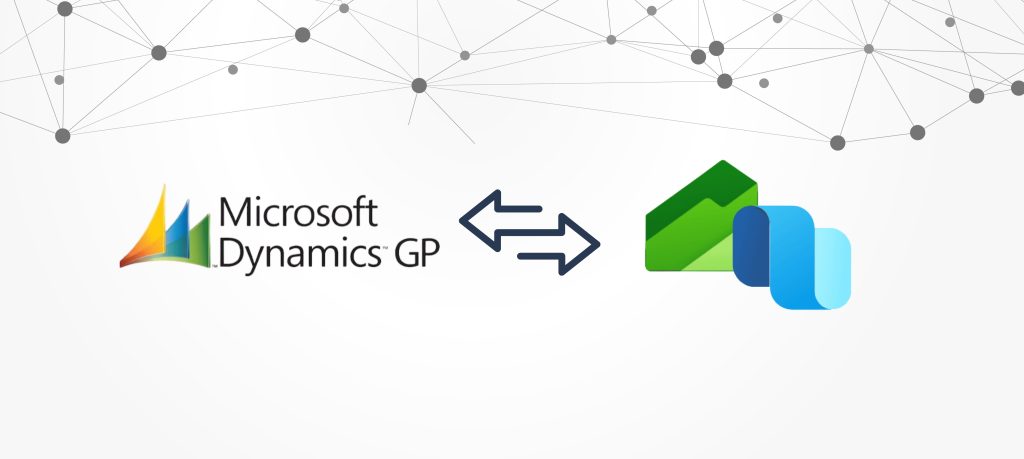
Before planning a migration, it is helpful to understand where Dynamics 365 F&SCM fits within the Microsoft ERP journey.
Dynamics GP
Dynamics GP has historically been a popular ERP solution for small and mid-sized organizations seeking strong financial management capabilities.
Many GP customers have extended the platform through:
- Third-party applications
- Custom integrations
- Reporting tools
- Excel-based processes
As organizations expand, they often find the platform increasingly difficult to scale.
Dynamics NAV
Dynamics NAV became a leader among organizations seeking financial management, operations, inventory, and supply chain capabilities.
Many organizations still rely on heavily customized NAV environments.
While these systems often continue to function effectively, modernization initiatives frequently reveal limitations around cloud capabilities, integrations, reporting, and scalability.
Dynamics AX
Dynamics AX has traditionally served larger and more complex organizations requiring:
- Multi-entity operations
- Manufacturing
- Distribution
- Global finance
- Advanced supply chain functionality
Dynamics 365 Finance & Supply Chain Management evolved from the Dynamics AX product line and represents Microsoft’s strategic enterprise ERP platform moving forward.
Organizations currently using AX often have the most direct migration path to Dynamics 365 F&SCM because of their operational alignment.
Why Legacy ERP Systems Create Growing Challenges
Organizations continue operating successfully on GP, NAV, and AX.
However, success today does not guarantee future readiness.
Several challenges commonly emerge as businesses grow.
Increasing Maintenance Complexity
Many older ERP environments rely upon:
- Legacy infrastructure
- Custom code
- Older database architectures
- Third-party extensions
- Manual integrations
Maintaining these environments often consumes resources that could otherwise be invested in innovation.
Limited Operational Visibility
Modern organizations require:
- Real-time reporting
- Enterprise dashboards
- Cross-functional insights
- Executive visibility
Legacy ERP environments frequently depend on:
- Batch reporting
- Spreadsheet consolidation
- Manual data extraction
which can limit agility.
Difficulty Supporting Business Growth
Growth often introduces:
- Additional entities
- New locations
- New product lines
- Increased transaction volumes
- International operations
Older ERP environments may require additional customizations to support evolving requirements.
Integration Challenges
Organizations now operate within increasingly connected technology ecosystems.
Typical integrations may include:
- Microsoft 365
- CRM systems
- Power Platform
- Data platforms
- E-commerce solutions
- Supply chain applications
Legacy architectures often make integration more difficult and expensive.
AI Readiness Gaps
AI initiatives depend upon:
- Connected data
- Process consistency
- Governance
- Visibility
Many organizations discover that ERP modernization becomes an important prerequisite for future AI strategies.
Dynamics 365 Finance Implementation in Canada Benefits
Organizations evaluating Dynamics 365 Finance Implementation Canada initiatives are generally seeking measurable business outcomes.
Unified Finance and Operations
Dynamics 365 F&SCM Solutions connects financial and operational processes within a single platform.
This reduces information silos and improves visibility across departments.
Improved Financial Management
Finance teams can improve:
- Budgeting
- Forecasting
- Cash management
- Financial close processes
- Multi-entity reporting
while increasing reporting consistency.
Better Supply Chain Visibility
Supply chain leaders gain improved insight into:
- Inventory
- Procurement
- Production
- Warehouse operations
- Vendor performance
- Fulfillment activities
This supports more informed decision-making.
Stronger Business Intelligence
Executives increasingly expect:
- Real-time KPIs
- Interactive dashboards
- Operational visibility
- Data-driven planning
Dynamics 365 F&SCM Solutions supports more timely access to business information.
Scalability
Organizations can support growth more effectively without repeatedly replacing core business systems.
Cloud-Based Accessibility
Modern cloud-first architectures help support:
- Remote work
- Global accessibility
- Security updates
- Business continuity
while reducing infrastructure management complexity.

Migration Strategies: Choosing the Right Approach
Not every migration follows the same path.
Organizations generally evaluate one of three approaches.
- Lift-and-Shift Migration
This approach focuses primarily on replacing technology while preserving existing business processes.
Advantages:
- Faster deployment
- Lower business disruption
Limitations:
- Existing inefficiencies remain
This approach is generally best suited for organizations with highly optimized processes.
- Process Modernization Approach
Many organizations use ERP migration as an opportunity to redesign processes.
Examples include:
- Financial workflows
- Procurement processes
- Inventory management
- Reporting structures
- Approval processes
This often creates greater long-term value.
- Phased Modernization
Many organizations prefer phased implementations.
Examples may include:
Phase 1:
- Core finance
Phase 2:
- Procurement
Phase 3:
- Inventory
Phase 4:
- Supply chain
Phase 5:
- Advanced analytics
This approach can reduce implementation risks while improving adoption.
Dynamics GP to Dynamics 365 F&SCM Migration Considerations
Organizations running Dynamics GP often encounter:
- Reporting limitations
- Growth constraints
- Complex third-party dependencies
- Spreadsheet-heavy operations
Migration planning should evaluate:
Financial Processes
Review:
- Chart of accounts
- Reporting structures
- Approval workflows
- Consolidation requirements
Third-Party Applications
Many GP environments depend heavily upon additional applications.
Organizations should determine:
- Which solutions remain necessary
- Which can be retired
- Which capabilities exist natively within Dynamics 365
Historical Data
Not all data should necessarily be migrated.
Organizations should establish:
- Data retention requirements
- Archive strategies
- Historical access needs
Dynamics NAV to Dynamics 365 F&SCM Migration Considerations
NAV environments often contain extensive customizations.
Key planning areas include:
Business Process Review
Organizations should challenge existing processes rather than automatically replicating them.
Questions include:
- Is this process still necessary?
- Can it be standardized?
- Does Dynamics 365 provide a better alternative?
Custom Development Analysis
Many NAV environments contain years of modifications.
Each customization should be evaluated for:
- Business value
- Current usage
- Modern alternatives
Integration Assessment
Organizations should identify:
- Existing integrations
- Future integration requirements
- Opportunities for simplification
Dynamics AX to Dynamics 365 F&SCM Migration Considerations
AX migration projects typically involve:
- Complex operational environments
- Multiple entities
- Manufacturing
- Supply chain management
The goal is often less about replacing functionality and more about modernizing the platform.
Key considerations include:
Security and Governance
Review:
- User roles
- Permissions
- Segregation of duties
- Compliance requirements
Supply Chain Transformation
Migration creates opportunities to improve:
- Planning
- Procurement
- Inventory controls
- Warehouse operations
rather than merely replicating legacy configurations.
Reporting Modernization
Organizations should evaluate opportunities to improve:
- Executive dashboards
- Financial analytics
- Operational reporting
- KPI visibility
Common Migration Challenges
Understanding potential challenges helps organizations prepare more effectively.
Poor Data Quality
Many legacy systems contain:
- Duplicate data
- Inactive records
- Inconsistent standards
Data cleansing should occur before migration.
Excessive Customizations
Organizations often assume every customization must be preserved.
Frequently, modernization provides an opportunity to simplify.
User Adoption Issues
Technology alone does not determine success.
Employees need:
- Training
- Communication
- Support
- Process guidance
to successfully adopt new ways of working.
Scope Expansion
ERP projects often become larger than originally planned.
Strong governance helps maintain alignment and focus.
How to Build a Successful Migration Roadmap
A structured roadmap can significantly improve outcomes.
Step 1: Current-State Assessment
Evaluate:
- Processes
- Systems
- Data
- Integrations
- Reporting
Step 2: Future-State Vision
Define:
- Business objectives
- Operational improvements
- KPIs
- Growth requirements
Step 3: Solution Design
Determine:
- Functional scope
- Architecture
- Integrations
- Governance
Step 4: Data Preparation
Establish:
- Data quality standards
- Migration strategy
- Retention policies
Step 5: Testing
Validate:
- Configurations
- Integrations
- Data
- Reporting
Step 6: Adoption and Training
Prepare employees through:
- Training programs
- Communications
- User support
Step 7: Go-Live and Optimization
Successful organizations continue improving after deployment.
Optimization should be viewed as an ongoing process.
Why Choosing the Right Dynamics 365 Finance Partner Matters in Canada
Technology is only one component of a successful ERP transformation.
The implementation partner often has a significant impact on results.
Organizations should evaluate:
Industry Expertise
Does the partner understand your industry?
ERP Modernization Experience
Have they completed similar projects?
Finance and Supply Chain Knowledge
Do they understand both financial and operational requirements?
Microsoft Ecosystem Expertise
Can they support:
- Dynamics 365
- Microsoft 365
- Power Platform
- Azure
- Copilot readiness
within a broader business strategy?
Change Management Support
Can they help drive adoption, training, and organizational readiness?
Why Organizations Choose Cambay Solutions
Cambay Solutions helps organizations modernize finance, operations, and supply chain processes through Microsoft technologies. Cambay’s internal Dynamics 365 and ERP positioning emphasizes modernizing finance, operations, supply chain, and business processes for Canadian mid-market organizations.
Our capabilities include:
- Dynamics 365 Finance
- Dynamics 365 Supply Chain Management
- ERP Modernization
- Manufacturing Solutions
- Multi-Entity Deployments
- Data & Analytics
- Power Platform Integration
- Ongoing Optimization Services
Our approach combines technology expertise with business transformation planning to help organizations achieve measurable outcomes while reducing implementation risks.
Frequently Asked Questions
What is Dynamics 365 Finance & Supply Chain Management?
Dynamics 365 Finance & Supply Chain Management is Microsoft’s enterprise cloud ERP platform that helps organizations manage finance, supply chain, inventory, procurement, manufacturing, warehousing, and operational processes.
Can Dynamics GP be migrated to Dynamics 365 F&SCM?
Yes. Organizations can migrate from Dynamics GP to Dynamics 365 F&SCM through a structured modernization approach that evaluates financial processes, data, integrations, and business requirements.
Can Dynamics NAV be migrated to Dynamics 365 F&SCM?
Yes. Many organizations using Dynamics NAV are modernizing to Dynamics 365 F&SCM to improve scalability, reporting, integrations, and cloud capabilities.
Is Dynamics AX being replaced by Dynamics 365 F&SCM?
Dynamics 365 Finance & Supply Chain Management evolved from Dynamics AX and serves as Microsoft’s strategic enterprise ERP platform.
How long does a Dynamics 365 migration take?
Timelines vary based on complexity, data volume, integrations, customizations, and project scope. Most successful projects begin with a structured assessment and roadmap.
Why should Canadian companies modernize their ERP systems?
Why Canadian Companies Are Replacing Legacy ERP Systems with Dynamics 365 Finance & Supply Chain Management? ERP modernization can help organizations improve visibility, efficiency, scalability, supply chain resilience, reporting, and readiness for automation and AI initiatives.
What data should be migrated?
Organizations typically evaluate:
- Master data
- Current operational data
- Financial records
- Historical information
based on business and compliance requirements.
What are the biggest migration risks?
Common risks include:
- Poor data quality
- Excessive customizations
- Limited adoption planning
- Inadequate governance
- Scope expansion
How do I choose a Dynamics 365 Finance Implementation Partner in Canada?
Look for a partner with:
- Industry expertise
- Dynamics 365 experience
- ERP modernization success stories
- Finance and supply chain expertise
- Integration capabilities
- Adoption and change management services
Ready to Modernize Your ERP Environment?
Whether you’re running Dynamics GP, Dynamics NAV, or Dynamics AX, the question is no longer whether your ERP environment will need modernization.
The question is whether you will modernize proactively or wait until legacy limitations begin affecting growth, visibility, and operational performance.
A successful Dynamics 365 Finance Implementation Canada initiative can help your organization:
✅ Improve financial visibility
✅ Strengthen supply chain performance
✅ Reduce manual processes
✅ Improve reporting and analytics
✅ Support AI readiness
✅ Build a more scalable business
Schedule a Dynamics 365 ERP Modernization Assessment
Cambay Solutions helps Canadian organizations evaluate migration strategies, modernize ERP environments, and successfully implement Dynamics 365 Finance & Supply Chain Management.
Talk to a Dynamics 365 specialist today and build a roadmap for a more connected, agile, and future-ready enterprise.